


DSCR loans, Debt Service Coverage Ratio loans, have become one of the most popular financing tools for real estate investors, and for good reason. They allow you to qualify based on the income a property generates rather than your personal W-2 or tax returns. For self-employed investors, business owners, or anyone with complex income, that changes the game entirely.
Here's how they actually work.
What Is DSCR?
DSCR stands for Debt Service Coverage Ratio. It's the math behind how much income a property produces relative to its loan payment.
The formula: DSCR = Gross Monthly Rent ÷ Monthly PITIA (principal, interest, taxes, insurance, and HOA if applicable).
A DSCR of 1.0 means the rent exactly covers the payment. A DSCR of 1.25 means the property generates 25% more income than needed to service the debt. Most lenders require a minimum DSCR of 1.0–1.25, with better rates available above 1.25.
No Tax Returns Required
Traditional investment property loans require two years of tax returns, proof of income, and a full DTI analysis. If you're self-employed, write off significant business expenses, or own multiple properties, your qualifying income on paper can look very different from your actual cash flow.
DSCR loans sidestep this entirely. The lender doesn't care about your personal income, they care about the property. If the rent covers the payment, you qualify. Full stop.
What Lenders Actually Evaluate
While income is simple, lenders do care about several other factors. Credit score is important, most DSCR lenders want 680+ and the best rates are reserved for 720+ borrowers. Down payment requirements are typically 20–25% for a purchase, with some lenders going to 15% for strong borrowers. Reserves of 6–12 months PITIA are commonly required.
The property itself also matters. Lenders want documented rent income, either a current lease or, for vacant properties, a market rent appraisal (Form 1007). Some lenders will underwrite to the appraiser's market rent estimate even without a signed lease, which is useful for new acquisitions.
Property Types That Work
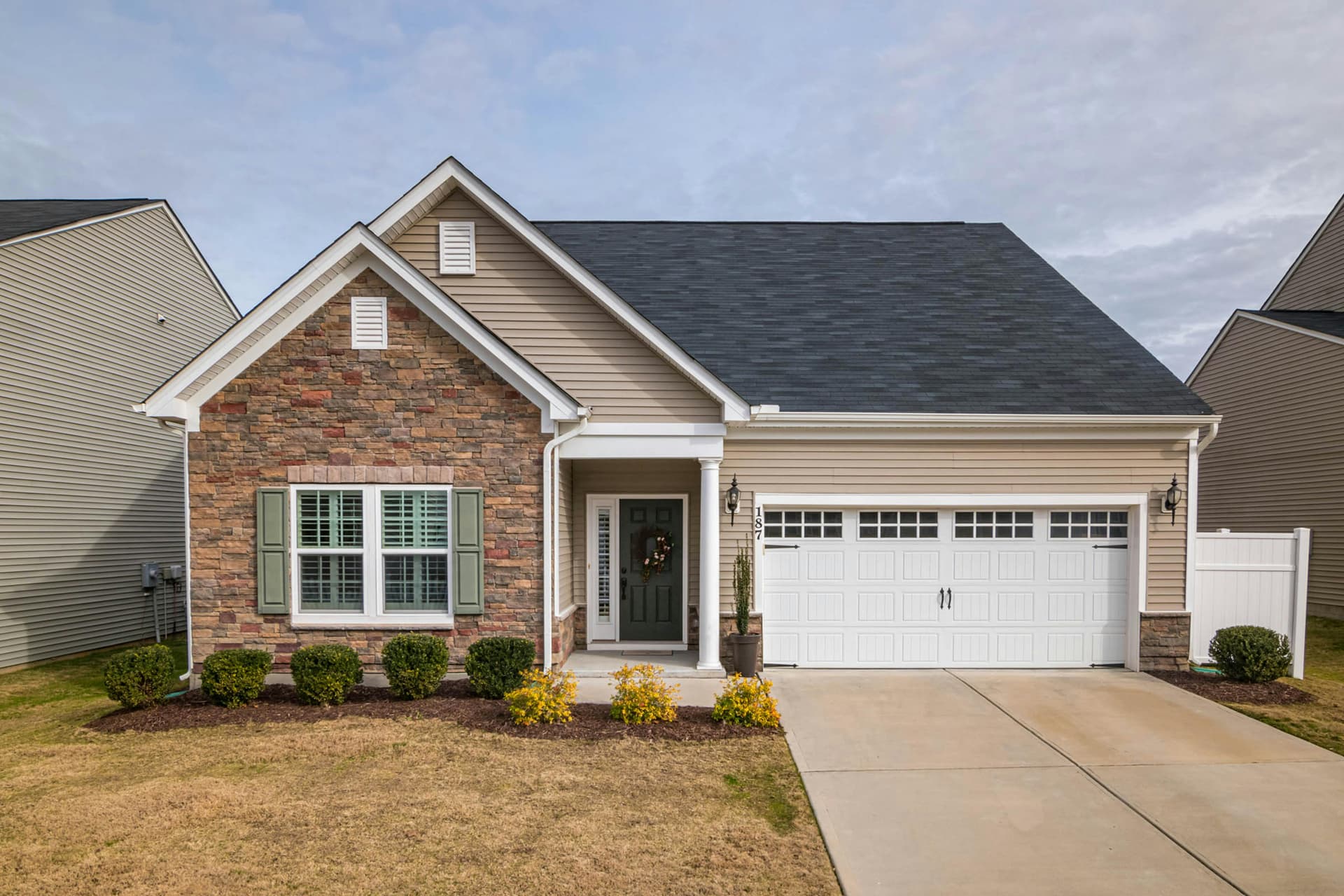
DSCR loans work for single-family rentals, condos (with some restrictions), 2–4 unit properties, and in the commercial version, 5+ unit multifamily. They're ideal for the buy-and-hold investor who wants clean, simple underwriting that scales.
They're generally not available for owner-occupied properties, which are subject to different qualification standards.
Rates and Costs Compared to Conventional
DSCR loans carry higher rates than conventional Fannie/Freddie investment loans, typically 0.5–1.5% higher. This is the premium you pay for the no-income-verification structure. Whether that trade-off is worth it depends on your situation. For some investors, the conventional path is available and more cost-effective. For others, DSCR is the only viable path to scale their portfolio.
Common Mistake: Evaluating Only the Rate, Not the Total Underwriting Fit
Some investors chase the lowest DSCR rate without comparing whether a conventional investment loan would underwrite them more cheaply. Others assume that because the DSCR is above 1.0 they'll definitely qualify, not realizing that reserves, credit, and property type restrictions can still create issues. Do the full analysis before assuming one loan type is right.
Short-Term Rentals and DSCR
Many lenders now offer DSCR underwriting for short-term rental (Airbnb/VRBO) properties. Instead of a signed lease, they use actual STR revenue history or a platform revenue estimate. This niche is growing but varies significantly by lender, some won't touch short-term rentals, others specialize in them.
Bottom Line
DSCR loans are one of the most investor-friendly mortgage products available because they underwrite the deal, not the borrower's tax return. For real estate investors with multiple properties, complex income structures, or self-employment, they open doors that conventional underwriting closes. The rate premium is real, but for the right borrower and the right property, it's often well worth it.
People Also Ask
Can rental income be used to qualify for a commercial mortgage?
What credit score is needed for a commercial loan?
How much down payment is required for an investment property?
Can I use a DSCR loan for a short-term rental (Airbnb) property?
Can I use future rental income to qualify for a mortgage?
Want to run the DSCR on a property you're considering?
Call Dan at (661) 342-9381. He'll run the numbers for your specific situation in minutes.
Call Dan NowAlready have a quote or got a denial?
Dan reviews loan estimates and denial letters free, no credit pull, response within 1 business day.
Get a Free Second Opinion
Dan Ardis has 20+ years of mortgage experience in Kern County, including years as a Senior Specialty Underwriter making loan approval decisions. He serves Bakersfield families and clients across 49 states.
View full credentials and background →