

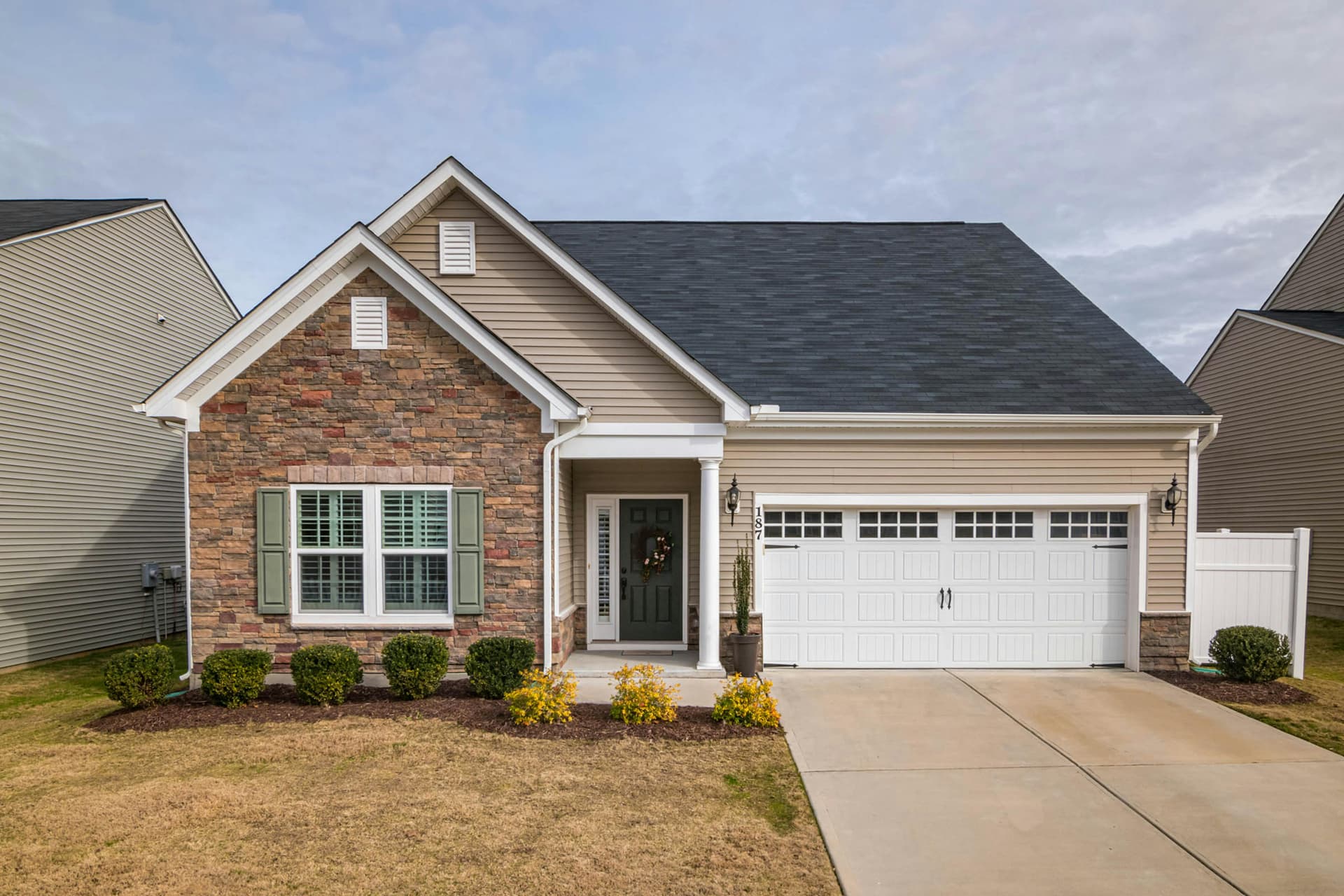

VA Minimum Property Requirements (MPRs) are standards set by the VA to ensure any home purchased with a VA loan is safe for occupancy, structurally sound, and free from conditions that could harm the veteran or their family. A VA-approved appraiser inspects the property against these standards during the appraisal. Required repairs must be completed before the VA will approve the loan.
The Three Core MPR Standards
VA property requirements are built around three principles. Safe: the property must not have conditions that pose a physical danger to occupants, including working electrical systems, no exposed wiring, adequate stair railings, no evidence of pest infestation affecting structural components, and safe access. Sound: the structure must be physically sound with no major defects in the foundation, roof, walls, or major systems, and the roof must have at least two years of remaining useful life. Sanitation: the home must have functioning plumbing with hot and cold water, a working heating system adequate for the climate, proper sewage disposal, and no conditions likely to cause illness.
The Most Common MPR Issues in Bakersfield
In Kern County's housing stock, the MPR issues that appear most often are: roof condition on older homes, where appraisers will call out a roof with limited remaining life or active leaks; peeling or flaking paint on homes built before 1978, where lead paint protocol applies and surfaces must be stabilized; evidence of wood-destroying pests, particularly termite activity affecting structural components; windows that do not close or provide adequate egress for bedrooms; and electrical panels with known safety hazards. None of these are deal-killers by themselves, but they generate repair conditions that must be resolved before the loan funds.
How VA Appraisals Differ from Conventional
A conventional appraisal focuses primarily on establishing market value. A VA appraisal combines a market value determination with a property condition inspection against MPR standards. The VA appraiser is required to note conditions that may affect safety, soundness, or sanitation, even if those conditions do not affect market value. This means a property can appraise at full value on a conventional loan while generating required repair conditions on a VA appraisal. The VA appraisal must be performed by a VA-rostered appraiser and is ordered through the VA's web LGY system.
Who Pays for Required Repairs
MPR repairs can be paid by the seller, the buyer, the real estate agents, or structured into seller concessions. There is no VA rule that the seller must pay. The parties negotiate who covers the cost as part of the purchase agreement. If repairs are extensive, some sellers resist VA offers specifically because of this requirement. Dan advises veterans to address this early: request a home inspection before ordering the VA appraisal so that known issues can be negotiated upfront rather than discovered as a condition in the final stages of escrow.
Why Sellers Resist VA Offers and What's Actually True
Sellers sometimes avoid accepting VA offers because they fear their property will not pass MPR review. In most cases, this concern is overstated. Modern homes in reasonably good condition pass VA appraisals routinely. The properties that generate significant repair conditions are typically the same ones that would concern any reasonable buyer. The difference is that VA requires resolution in writing, which actually protects the buyer. Understanding what the VA appraiser is looking for before listing can help sellers address issues proactively.

MPRs are the biggest source of seller reluctance toward VA offers, and most of the reluctance is based on secondhand horror stories. The VA appraisal process is more thorough than conventional, but the conditions it generates are usually reasonable health and safety items, not cosmetic nitpicking. I have closed hundreds of VA loans and the vast majority pass appraisal without significant conditions. When repairs are needed, I help veterans negotiate who pays and structure the deal so it closes on time. The benefit of zero down and no PMI is worth a minor negotiation on a repair.
Have a situation like this?
Call Dan at (661) 342-9381. He will review your specific situation in a free call.