

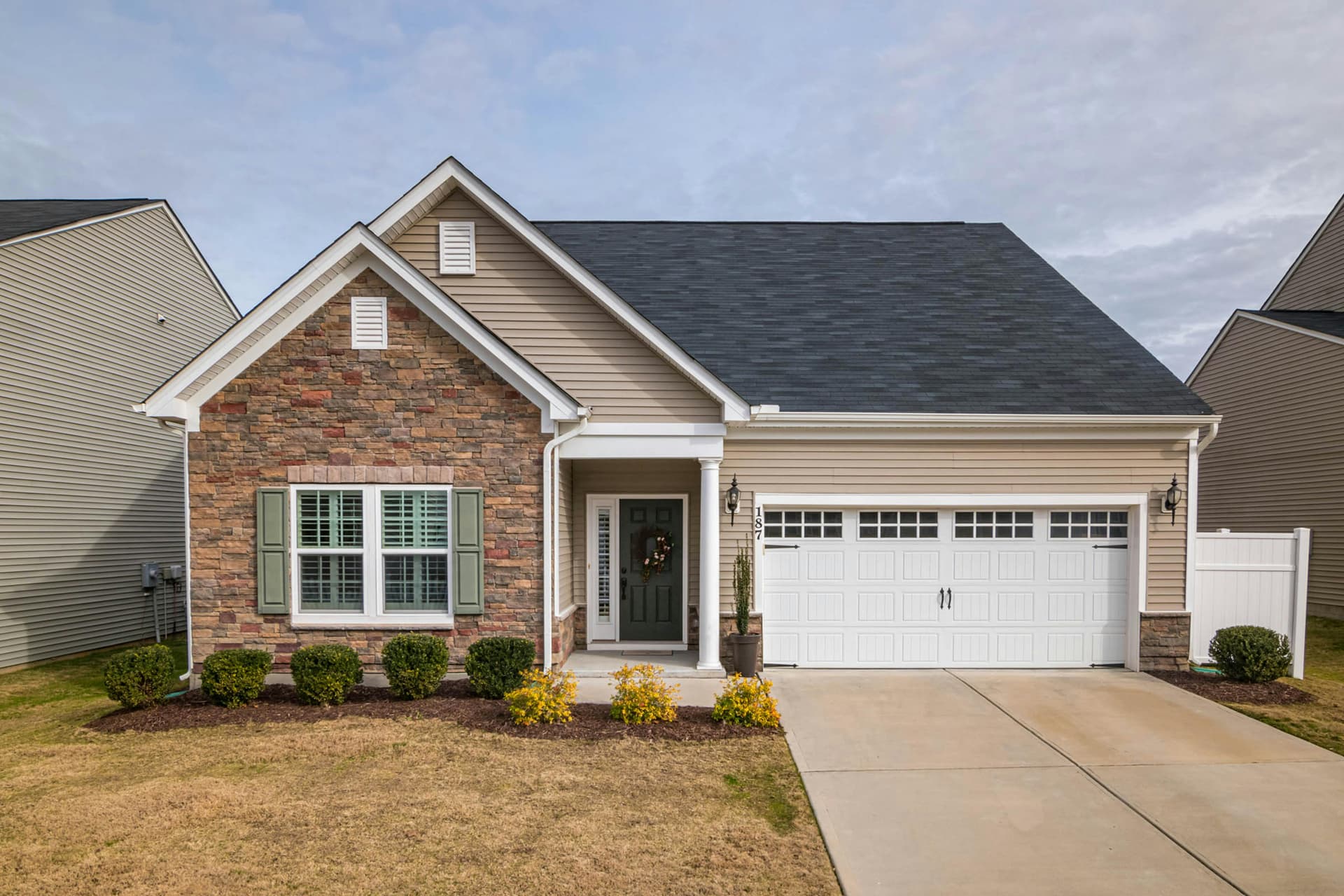

The Bakersfield investor market is active. Single-family rentals, small multifamily, and Airbnb-eligible properties are all attracting buyers who understand that Kern County rents relative to purchase prices produce better cash flow than most California markets. The financing question is: which loan gets you into the deal?
DSCR loans and conventional investment loans are not interchangeable. They have fundamentally different underwriting approaches, and the right one depends entirely on your situation as a borrower, not on which sounds more institutional.
Dan finances investment properties for clients ranging from first-time landlords buying one house to experienced investors building portfolios of 10+ units. Here is what he sees in practice.
| Feature | DSCR Loan | Conventional Investment |
|---|---|---|
| Qualifying Method | Property's rent vs. debt service (DSCR ratio) | Borrower's personal income and DTI |
| Tax Returns Required | No, property cash flow is the underwrite | Yes, 2 years personal and business returns |
| W-2 / Pay Stubs Required | No | Yes |
| Minimum Down Payment | 20–25% typical | 15–25% depending on units and credit |
| Rate Premium | 0.5–1.5% above conventional investment rate | Baseline investment property rate |
| Max Properties | No limit (lender dependent) | 10 financed properties (Fannie/Freddie cap) |
| Credit Score Minimum | Usually 680+ | 620+, best pricing at 720+ |
| Self-Employed Friendly | Yes, income not counted | Yes, but aggressive write-offs hurt DTI |
| Short-Term Rental Eligible | Many DSCR lenders allow Airbnb/VRBO income | Must use long-term market rent (appraiser) |
| Entity / LLC Vesting | Many lenders allow LLC vesting | Must be individual borrower typically |
How DSCR Underwriting Works
DSCR stands for Debt Service Coverage Ratio. The formula is simple: monthly rent divided by monthly mortgage payment (principal, interest, taxes, insurance, HOA). A ratio of 1.0 means rent exactly covers the payment. Most DSCR lenders require 1.1–1.25, meaning rent must exceed the payment by 10–25%.
Example: A Bakersfield rental property with $1,800/month in market rent and a $1,500/month PITI payment has a DSCR of 1.20. That clears most lenders' minimums.
What makes DSCR powerful for investors: your personal income, your day job, your other debts, your tax returns showing aggressive write-offs, none of it matters. The property qualifies itself. This is a legitimate path to building a portfolio even if your personal qualifying income looks weak on paper.
When Conventional Investment Financing Is Better
Conventional investment loans have lower rates than DSCR. The rate premium on DSCR (often 0.5–1.5% above conventional investment rates) adds up on a 30-year hold. If you qualify comfortably on a conventional basis, including the rental income in your DTI calculation, conventional financing produces a lower rate and lower monthly cost.
The other advantage of conventional loans for investors is flexibility in property type. Some condo projects, rural properties, and older buildings that DSCR lenders won't touch are eligible for conventional financing through specific lenders on Dan's network.
For a first investment property where you have strong W-2 income and a clean DTI, conventional is usually the lower-cost option.
Dan's Take: DSCR Is Underused by Bakersfield Investors
I see two types of investors walk away from deals they should have been able to close. The first type has strong rental income from the property but weak paper income (self-employed, business owners, landlords whose write-offs crush their qualifying income). DSCR solves this entirely.
The second type has 5+ financed properties and has hit Fannie/Freddie's 10-property cap. DSCR has no portfolio limit. Many experienced investors I work with have transitioned entirely to DSCR financing above their 10th property.
The rate premium is real, and I don't minimize it. But I'd rather close a deal at a DSCR rate than not close a deal because conventional underwriting can't work with the borrower's income picture. Bakersfield's rent-to-price ratio means the DSCR math works here in ways it doesn't in high-cost California markets. Use the affordability calculator to model the numbers on a specific property.

If you have strong personal income and fewer than 10 financed properties: conventional investment financing wins on rate. If you're self-employed, have aggressive write-offs, own 10+ properties already, or want to use Airbnb income to qualify: DSCR is the right tool. Both are legitimate. The question is which fits your situation.
Buying an investment property in Bakersfield? Let Dan run the DSCR vs. conventional comparison for your deal.
Call Dan at (661) 342-9381. He'll run the numbers for your specific scenario in minutes.
People Also Ask
Can I use projected rent instead of actual rent for DSCR qualification?
What DSCR ratio do I need to qualify?
Can I put a DSCR loan in an LLC?
Do DSCR loans work for Airbnb properties in Bakersfield?
Bottom Line
Bakersfield's rent-to-price ratio makes DSCR math work here better than in most California markets. If conventional financing doesn't work for your income situation or portfolio size, DSCR is not a fallback: it's the right tool for the job. Call Dan to model both options for your target property.