

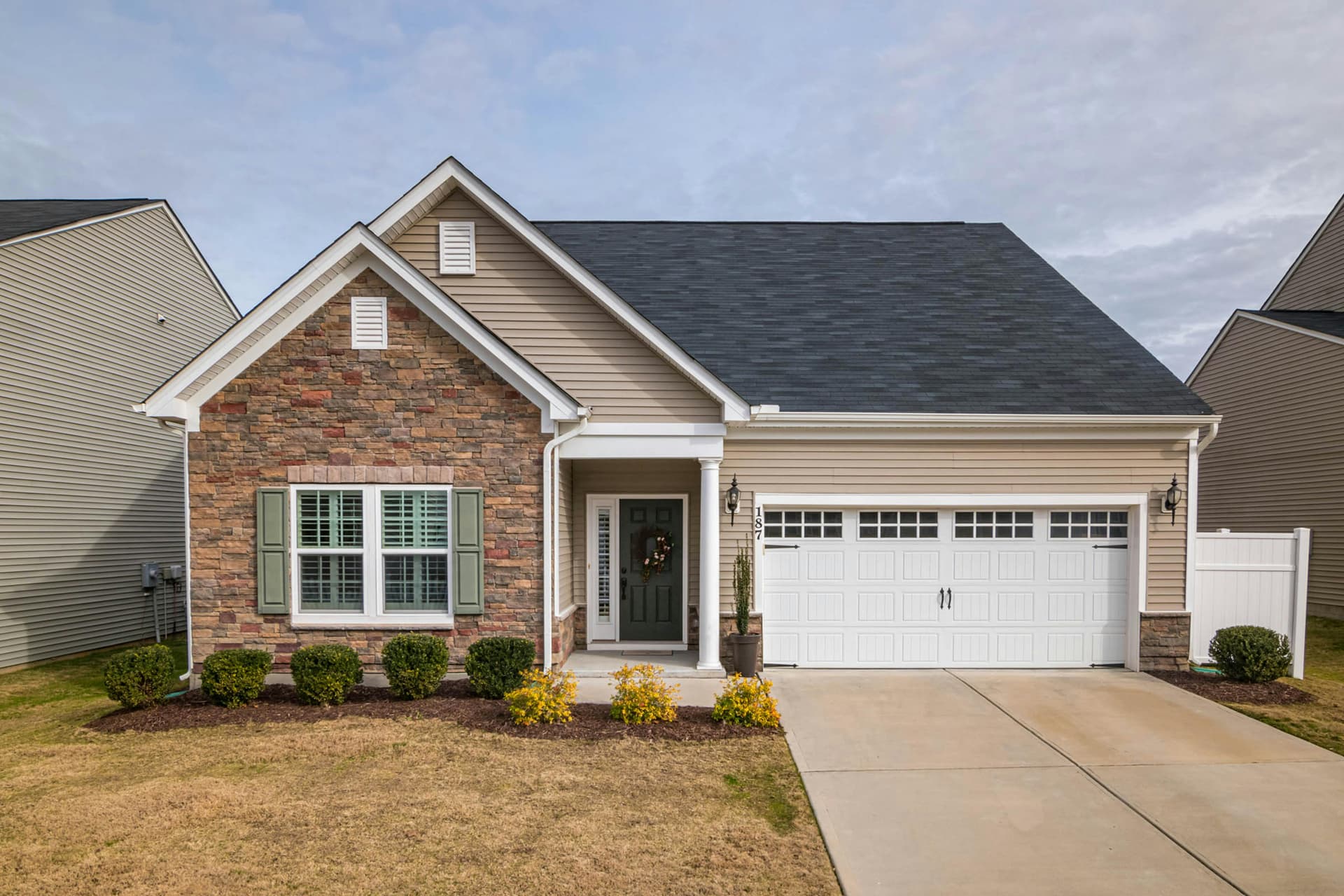

If the appraisal comes in below the purchase price, the lender will only lend based on the lower appraised value. The difference between the purchase price and the appraised value is called the appraisal gap. You have four main options: renegotiate the price with the seller, pay the gap out of pocket, challenge the appraisal with additional comparable sales, or cancel the transaction if your contract includes an appraisal contingency.
Why the Appraised Value Is What Matters to the Lender
The lender's loan is based on the lower of the purchase price or the appraised value. If you agreed to pay $420,000 but the appraiser values the home at $400,000, the lender calculates your loan-to-value ratio, down payment, and loan amount based on $400,000. To close at $420,000, you would need to cover the $20,000 gap from your own funds on top of your down payment. The lender will not loan money above what the appraiser says the property is worth.
Option 1: Renegotiate the Purchase Price
The most common resolution is asking the seller to lower the price to the appraised value. Sellers who are motivated to close will often agree, particularly if the market is soft or if there are no competing offers. In a seller's market, this negotiation is harder, as the seller may have other buyers willing to cover the gap. Your real estate agent handles this negotiation, and the appraisal report itself gives them a factual basis for the ask.
Option 2: Pay the Appraisal Gap
If the seller refuses to budge, you can choose to cover the gap out of pocket. This means bringing more cash to closing than originally planned. On a $420,000 purchase with a $400,000 appraisal and a 10% down payment, you would need $40,000 down (10% of $400,000) plus the $20,000 gap, totaling $60,000 at closing instead of the $42,000 you planned. Whether this makes financial sense depends on how much you want the property and your available cash.
Option 3: Request a Reconsideration of Value
If you believe the appraisal is inaccurate, your loan officer can submit a Reconsideration of Value (ROV) to the appraiser with additional comparable sales that were not included in the original report. The appraiser is required to review and respond. An ROV is most effective when there are recent comparable sales at or above the purchase price that the appraiser overlooked or excluded. Dan reviews appraisals for ROV opportunities as a standard part of his process when a value comes in low.
Option 4: Cancel the Transaction
Most purchase contracts include an appraisal contingency that allows the buyer to cancel and receive their earnest money deposit back if the property does not appraise at or above the purchase price. If you included this contingency and the appraisal comes in low, you can walk away without losing your deposit. If you waived the appraisal contingency in a competitive offer situation, canceling may put your deposit at risk. Understanding your contingency position before making an offer is critical.
FHA and VA Appraisal-Specific Rules
FHA appraisals attach to the property, not the buyer, for 120 days. If a deal falls apart after a low FHA appraisal, the next buyer using FHA on the same property within that window gets the same value. VA loans include a mandatory escape clause in all purchase contracts that allows VA buyers to cancel without penalty if the property does not appraise at the purchase price. These government-backed appraisal rules are stricter in certain ways but also provide more buyer protections than conventional.

A low appraisal is not the end of the deal in most cases. My first move is always to review the comparable sales used by the appraiser and determine whether an ROV is worth pursuing. About a third of the time, there are legitimately better comps that support the purchase price. The other two-thirds usually resolve through price negotiation. The scenarios that fall apart are the ones where the seller is unwilling to move at all, the buyer has no additional cash, and the ROV doesn't succeed. Even then, the appraisal contingency protects the buyer's deposit. Don't panic, work the problem.
Have a situation like this?
Call Dan at (661) 342-9381. He will review your specific situation in a free call.