

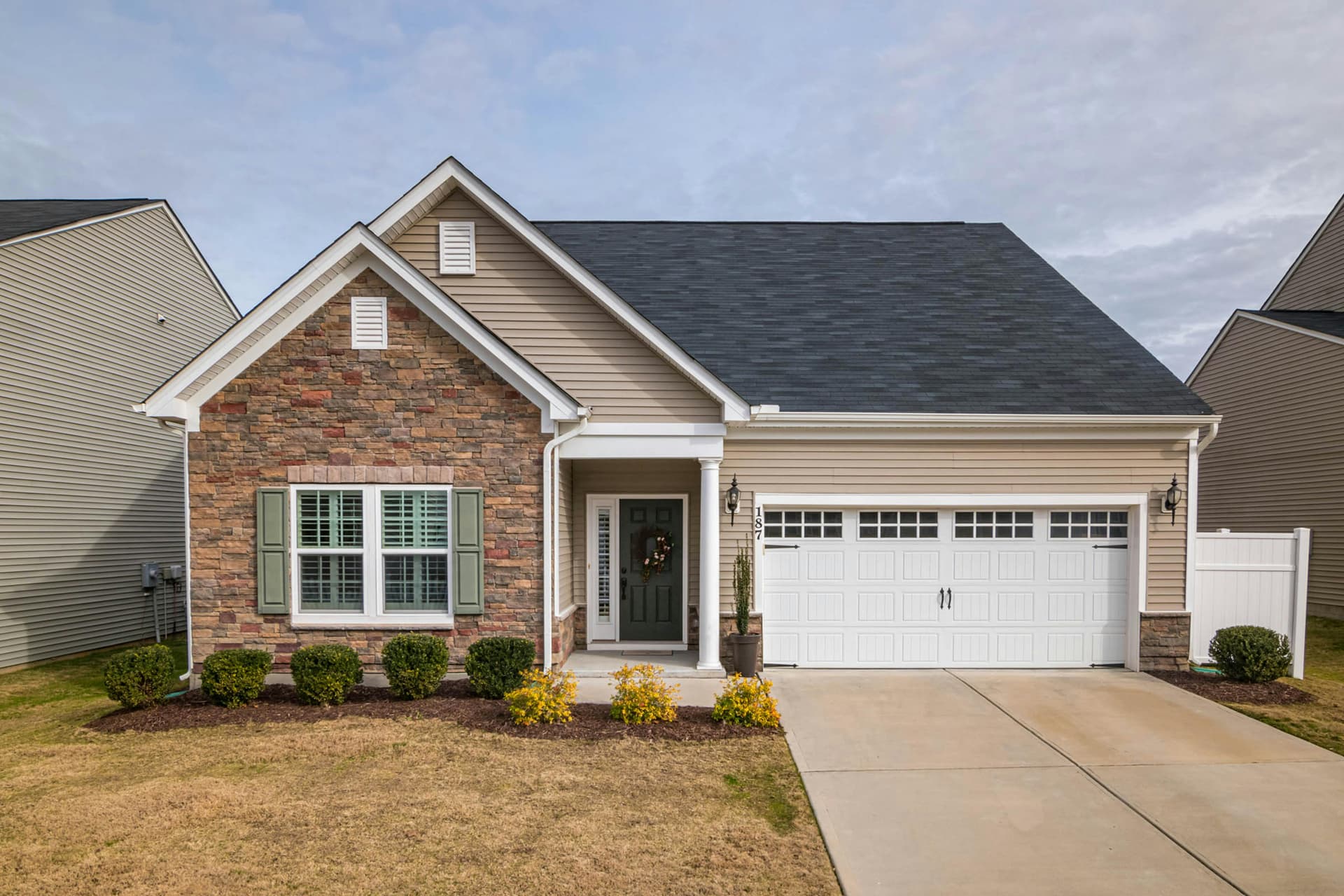

Only under specific conditions. If you have no rental history on the home you're leaving, FHA generally requires you to be relocating more than 100 miles for employment, have a fully executed one-year lease, proof the tenant has paid the deposit or first month's rent, and an appraisal confirming at least 25% equity. If all four are met, the qualifying rental income is 75% of the lesser of the lease amount or the appraiser's market rent. If you're simply upgrading homes or moving less than 100 miles, the full mortgage payment on the departing residence is typically still counted in your DTI.
The 100-Mile Employment Relocation Requirement
This is the single biggest misconception in FHA lending on this topic. Many loan officers assume any signed lease unlocks the rental offset. It doesn't. FHA requires the borrower to be relocating more than 100 miles from their current residence due to employment before the departing home's rental income can offset its mortgage payment. If the move is 100 miles or less, whether it's a job change across town or simply an upgrade to a bigger house, the full PITIA on the departing residence generally still counts against DTI on the new loan, lease or no lease.
How the 75% Calculation Actually Works
Assuming the relocation qualifies, FHA doesn't count the full lease amount. The lender uses the lesser of the lease amount or the appraiser's market rent (from a 1007 or comparable rent schedule), then multiplies that figure by 75%. Example: lease is $2,400, appraised market rent is $2,300. The lender uses $2,300 × 75% = $1,725 in qualifying rental income, not the $2,400 on the lease.
If You've Already Been Renting It Out
If the departing residence already has rental history reported on Schedule E of your tax returns, FHA generally uses a historical income analysis instead of the 75% market-rent method, adding back allowable expenses like depreciation per HUD guidelines. In that case the 100-mile relocation test doesn't drive the calculation the way it does for a first-time conversion.
Documentation You'll Need
A fully executed lease with at least a one-year term after closing, proof the security deposit or first month's rent has been paid, an appraisal establishing market rent, appraisal documentation showing at least 25% equity, and evidence of the employment relocation distance when relying on the 100-mile exception. Missing any one of these means the underwriter counts the departing mortgage payment in full.

I see this misconception constantly: borrowers, and honestly some loan officers, assume that as soon as there's a signed lease on the old house, that payment drops out of the DTI calculation. It doesn't work that way on FHA. The 100-mile employment relocation and the 25% equity requirement are the actual gate. I've had to walk borrowers back from an offer on a new home because the job change was 65 miles, not 100+, and the numbers simply didn't work once we ran it correctly. Get the relocation distance and the equity position confirmed before you count on this rental income for anything.
Have a situation like this?
Call Dan at (661) 342-9381. He will review your specific situation in a free call.